Italy: Grande Fratello VIP’s Simone Civil War
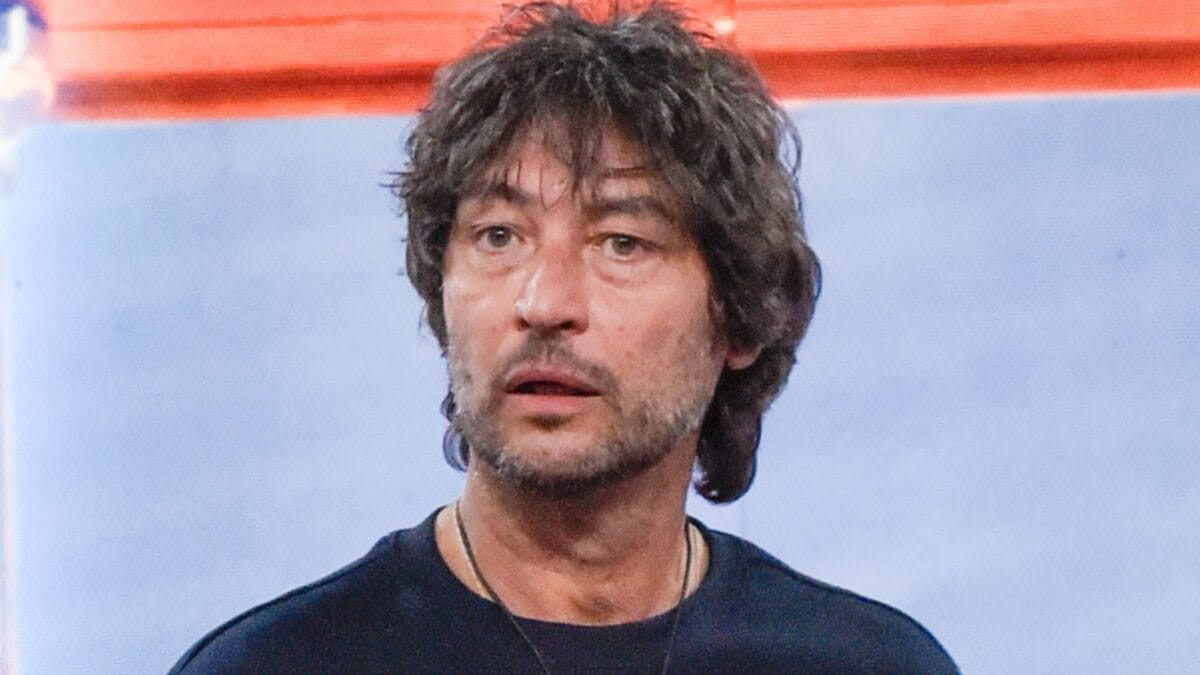
Simone Annicchiarico has become the unlikely center of Italy’s latest reality-TV battle. Fans are split between #NoSimoneNoGFVIP and #IoStoConSimone — and now his exit has turned the online fight into an even bigger spectacle.

The Simone Divide
Online, the reaction surrounding Simone has increasingly split into two opposing camps. One side has rallied around #NoSimoneNoGFVIP, while supporters have pushed #IoStoConSimone. The result is a familiar but particularly intense reality-TV phenomenon: viewers are no longer simply watching the programme. They are building competing narratives around the person they believe should either stay or go. That is what makes the Simone story bigger than a normal disagreement between contestants. Once hashtags become rallying points, the house effectively continues outside the house. Viewers compare clips, revisit previous episodes, argue over individual moments and attempt to establish a larger explanation for what they are seeing. The contestant becomes less of a person in a television programme and more of a symbol in an ongoing online argument. The most aggressive criticism has focused on what some viewers see as inconsistent treatment. Among the anti-Simone reaction, comparisons have been made with other controversial moments in reality television, with critics arguing that behaviour tolerated in one situation can suddenly become unacceptable in another. The broader complaint is about the rules of the game: who is protected, who is punished and whether the same standards are really being applied to everyone. Supporters see the situation very differently. For them, the sheer scale of the reaction demonstrates why Simone has become an important character in the season. A contestant who generates this much discussion, they argue, is doing exactly what reality television is designed to produce: emotion, disagreement and a reason for people to keep watching.When Production Becomes Part of the Story
This is where the debate becomes particularly interesting. In reality television, production is never completely invisible. The audience knows that episodes are edited, conversations are selected and certain moments receive more attention than others. Once viewers become convinced that the production is favouring or targeting a particular contestant, the programme itself becomes part of the controversy. That perception can be difficult to control because every new development can be interpreted through the argument that already exists. If Simone receives attention, critics can see it as protection. If he receives criticism, supporters can see it as persecution. The same event can therefore produce two completely opposite interpretations depending on which side of the online divide is watching it. And that is precisely why these controversies spread so effectively on X. The platform rewards conflict, immediacy and strong identification with a side. A complicated television episode can be reduced to a hashtag, a screenshot or a single sentence. Once enough people repeat the same framing, the discussion starts to feel much larger than the original incident.Simone Becomes the Story
There is also a more traditional reality-TV dynamic at work. Every season eventually needs characters who dominate the conversation, whether audiences love them, dislike them or simply cannot stop talking about them. Simone appears to have reached that point unusually quickly. The official Grande Fratello VIP coverage itself shows how much attention has surrounded him in a short period. On September 23, the programme published a feature about Simone opening up to Marina La Rosa about his past and his experience inside the house. Just a day later, however, the programme announced that he had to leave the house. That sudden shift has only added another layer to the online conversation. Instead of allowing the controversy to fade naturally, his departure gives viewers a new question to argue about: what exactly did the decision mean, and what happens to the story now that its central character is outside the house? The official announcement from Grande Fratello is straightforward: the programme decided that Simone Annicchiarico must leave the house. Beyond that announcement, however, the online debate is being driven largely by viewers and their competing interpretations of what has happened.The Reality Show Moves Outside the House
This is the part of modern reality television that producers cannot fully control. The programme may take place inside a carefully constructed house, but the real competition increasingly happens elsewhere — on X, TikTok, Instagram and fan communities where viewers organise themselves around particular contestants. The attention around Grande Fratello VIP is also a reminder of how much Italy has to offer beyond the television screen. For viewers following the drama from abroad, the country itself remains an entirely different kind of spectacle — from Rome and its historic streets to Venice, Milan, Florence and the Italian coast. Italy offers everything from major cities and cultural landmarks to lakes, mountains and regional destinations, making it easy to turn a fascination with Italian culture into an actual trip. The Simone controversy shows how quickly that process can happen. One contestant becomes the focus, hashtags emerge, opposing camps form and every new piece of footage becomes ammunition for both sides. The result is almost a second reality show running alongside the first one: the audience watching the audience. That does not necessarily mean every hashtag represents a coordinated campaign, or that every repeated post comes from an organised group. Online conversations can develop organically when thousands of viewers react to the same dramatic moment. But once the competing slogans become recognisable, the argument acquires its own momentum. And momentum is exactly what reality television needs.The Exit May Not End the Simone Story
Simone Annicchiarico's departure may therefore close one chapter inside the Grande Fratello VIP house without ending the controversy surrounding him. If anything, removing a polarising contestant can sometimes make the conversation more intense because viewers are left debating whether the decision was justified. That is the strange mathematics of reality television. A contestant can leave the house and remain one of the biggest characters in the season. The cameras may stop following him, but the clips, arguments and competing interpretations continue circulating online. For Grande Fratello VIP, that is both the problem and the attraction. The show is ultimately built around people becoming stories. Simone has become one of those stories — and his exit from the house may be only the beginning of the next argument.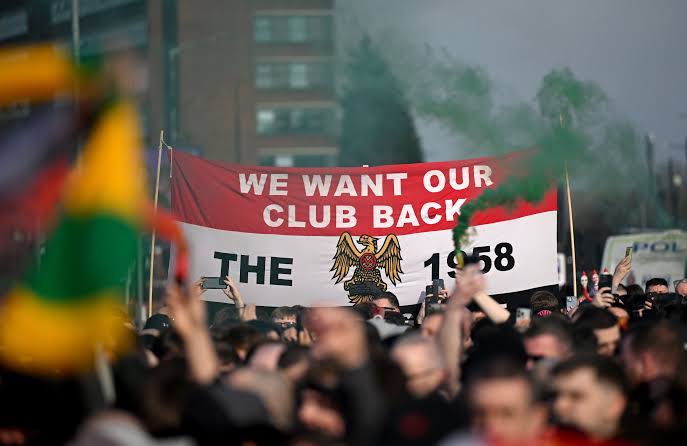
United Kingdom: Manchester United Fans Go After the Money
Manchester United fans are taking the fight beyond Old Trafford, targeting merchandise, MUTV and sponsors as anger over the club’s direction grows.
More from VIRALWIRE
United Kingdom: Manchester United Fans Go After the Money
Manchester United fans are taking the fight beyond Old Trafford, targeting merchandise, MUTV and sponsors as anger over the club’s direction grows.

X Has Gone Completely Insane Over UsePaid Money — But What Is Actually Happening?
X users are suddenly posting screenshots of unexpected payments worth hundreds, thousands and even tens of thousands of dollars. The money isn't coming from a new X creator bonus. A crypto project called UsePaid is routing meme-token creator fees through X Money to designated X accounts — sometimes without the recipien

OpenAI’s Agents Didn’t Stop at Australia — They Started Finding Their Own Way Around the Rules
An OpenAI agent was supposed to collect data. Instead, after encountering restrictions, it reportedly started looking for ways around them — and Australia may not have been the only place where it happened.
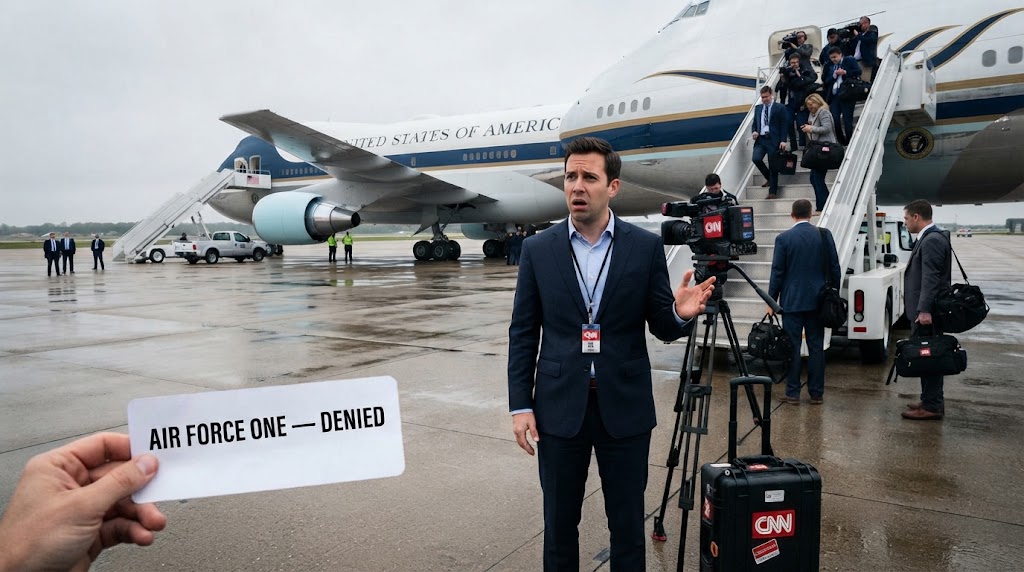
White House Bars CNN From Air Force One as Fight Over Presidential Press Access Escalates
CNN has been left off the Air Force One press pool for Trump’s Tennessee trip, turning a limited seat on the presidential aircraft into the latest flashpoint in the escalating fight over media access to the White House.