Serbia: Vučić’s Resignation Chess Move
Aleksandar Vučić says he will resign as Serbia’s president — but he is not leaving politics. With a return to the prime minister’s office in sight, his next move could reshape Serbia’s political battlefield.
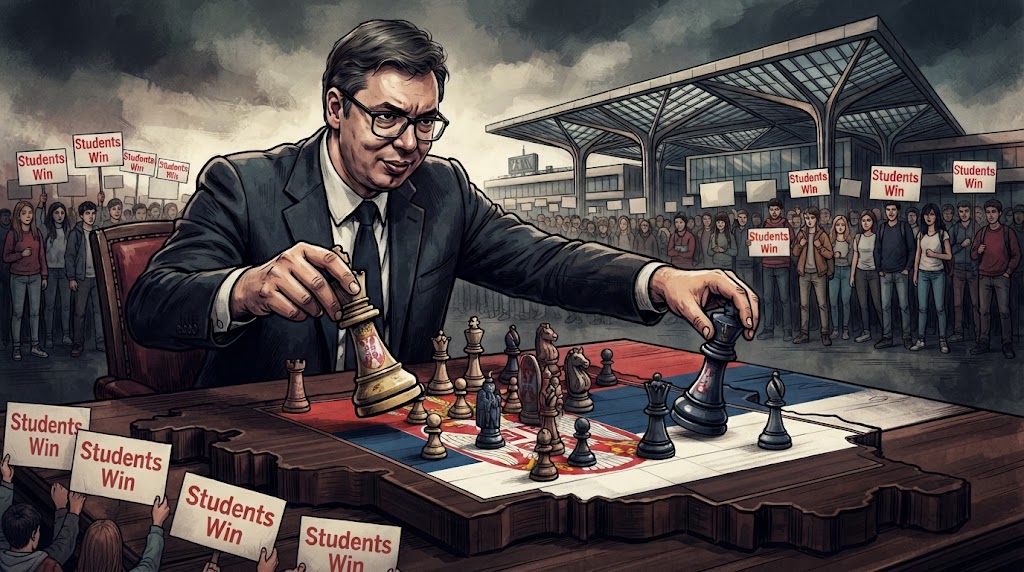
A Resignation Without Leaving Politics
Is He Leaving Power — Or Moving It?
For his critics, however, the political question is not whether Vučić is leaving an office, but whether he is actually leaving power. That distinction has become central to the debate surrounding the announcement. Reuters reported earlier this year that analysts viewed a potential return to the prime minister’s position as a way for Vučić to remain at the center of Serbian politics even after leaving the presidency. The argument is based on the reality that his influence has extended well beyond the formal powers attached to the presidential office, particularly through his leadership and control of the ruling political machinery. Vučić and his allies reject accusations that the move is an attempt to circumvent political pressure and continue governing through another position. The controversy is therefore less about the title on the door than about where political influence actually sits. Serbia's constitution separates the role of president from that of the government, but the country's political reality has often been shaped by the strength of the individual occupying the center of the ruling coalition. That makes Vučić's proposed move unusually important: he would be giving up the presidency while simultaneously attempting to remain the dominant figure in national politics through parliament and the government.Serbia: Vučić’s Resignation Chess Move
A Resignation Without Leaving Politics
The political calculation behind the resignation is what has made the story travel far beyond Serbia. Vučić is not announcing his departure from politics. Quite the opposite. He has made clear that he intends to move directly from the presidency into an election campaign, presenting himself as a candidate for prime minister on the “United Serbia” list. He has said that he wants to campaign as an ordinary citizen rather than as president, even describing plans to travel around the country during the final stage of the campaign. The distinction is politically significant because the presidency and the government are separate institutions, while Vučić has spent years exercising enormous influence over the governing Serbian Progressive Party and the wider political system. That is why the word “resignation” does not necessarily mean what it would normally mean in another political system. For supporters, the move can be presented as a deliberate decision to step away from the presidential office before asking voters for a new mandate through parliamentary politics. Vučić has emphasized that he does not want to campaign for prime minister while still holding the presidency. His announced timetable would leave Ana Brnabić, the speaker of parliament, temporarily performing the duties of president while the country moves toward the next presidential election.Is He Leaving Power — Or Moving It?
For his critics, however, the political question is not whether Vučić is leaving an office, but whether he is actually leaving power. That distinction has become central to the debate surrounding the announcement. Reuters reported earlier this year that analysts viewed a potential return to the prime minister’s position as a way for Vučić to remain at the center of Serbian politics even after leaving the presidency. The argument is based on the reality that his influence has extended well beyond the formal powers attached to the presidential office, particularly through his leadership and control of the ruling political machinery. Vučić and his allies reject accusations that the move is an attempt to circumvent political pressure and continue governing through another position.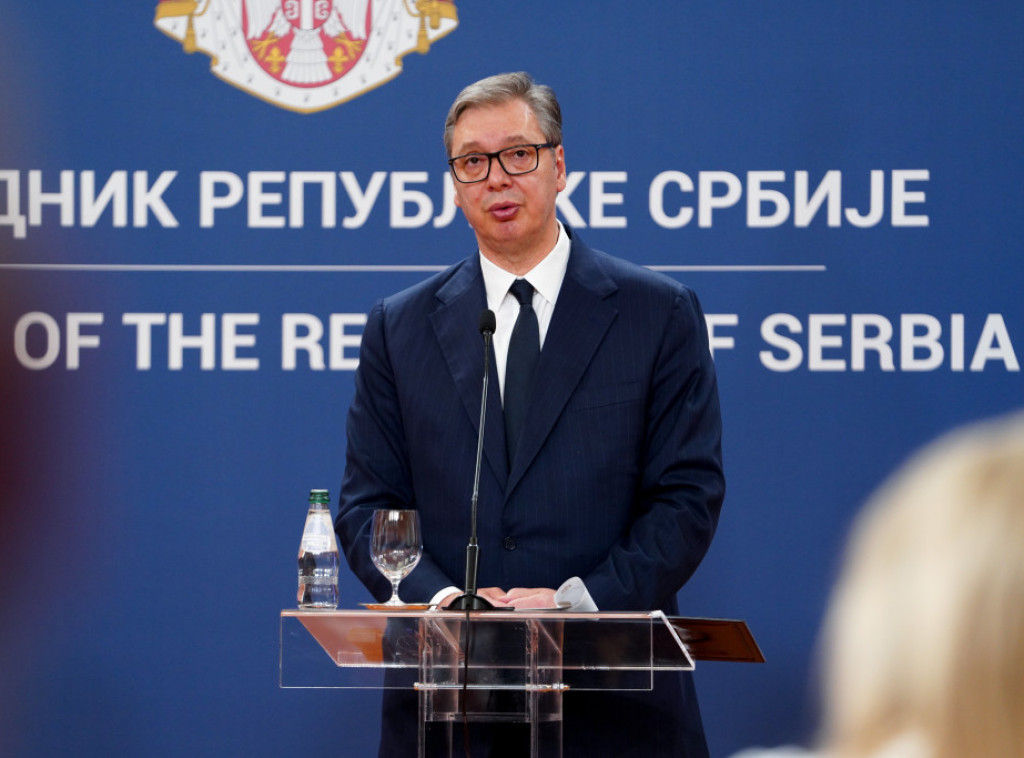
From Novi Sad to a National Political Crisis
The timing matters almost as much as the resignation itself. The student movement has kept pressure on the government since the Novi Sad disaster, while demands for early parliamentary elections gradually became one of the central political issues in the country. The protests also transformed the political atmosphere around the railway-station collapse. What began with questions about responsibility for a construction failure became a wider confrontation over corruption, institutions, accountability and the relationship between the state and citizens. The protests have produced a political environment in which almost every major decision by the government is now viewed through the question of whether it represents a response to the movement or an attempt to regain control of the political narrative. That is part of what gives Vučić's resignation announcement its unusual significance. It is not happening in a political vacuum. It comes after months of demonstrations, intense public debate and growing demands for a parliamentary vote that could reset the political balance.The Battle Now Moves to the Ballot Box
Now the political battlefield is shifting from the streets to the ballot box. The October 25 parliamentary election will determine the composition of the next National Assembly and, indirectly, the government that follows. Vučić is attempting to make himself the central figure in that contest even while preparing to leave the presidency. That creates an unusual situation in which the country's most prominent political figure is simultaneously stepping away from one office and campaigning to enter another. The “United Serbia” name is therefore more than a campaign label. It has become the vehicle through which Vučić is attempting to define the next stage of his political career. Instead of disappearing from the political scene after resigning, he is preparing to place himself directly at the center of the parliamentary campaign. That makes the coming election particularly important for understanding whether Serbia is witnessing a genuine change in political leadership or a change in the institutional position occupied by the same dominant political figure.Two Completely Different Interpretations
For Serbia's opposition and the student movement, the crucial question is whether this change of office represents a genuine political transition or simply a rearrangement of where power sits. Their interpretation is sharply different from the government's presentation of the move. Reuters reported that opposition figures have argued that the resignation and early elections are an attempt to get ahead of the political pressure created by the protests. Vučić's supporters, meanwhile, present the decision as evidence that he is willing to leave the presidency and place his political future before voters.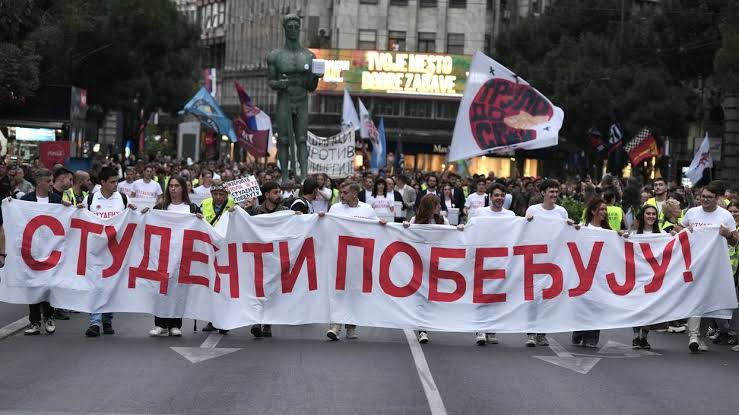
What Happens After September 27?
There is also an important constitutional dimension that makes the next few weeks particularly significant. Once Vučić formally submits his resignation, the presidency does not simply disappear. Under Serbia's constitutional framework, the speaker of the National Assembly temporarily assumes presidential duties, while a presidential election must subsequently be called within the prescribed period. That means Serbia could be entering a period in which parliamentary and presidential politics become closely intertwined, with the outcome of the October parliamentary vote potentially determining whether Vučić succeeds in returning to the center of executive government as prime minister. For now, however, the resignation remains a promised political move rather than a completed one. The next stage will depend on whether the announced timetable is followed and what happens in the parliamentary election that follows. The constitutional transition and the campaign will unfold almost simultaneously, creating a political sequence that Serbia has rarely experienced in this form.More Than a Change of Office
The deeper story is not simply about one politician changing jobs. It is about how much political power follows a person rather than an institution. Vučić has been a dominant figure in Serbian politics for roughly twelve years, serving first as prime minister and then as president. His supporters see that continuity as evidence of political strength and electoral legitimacy. His opponents see the same continuity as evidence that changing the title attached to the office may not fundamentally change the way the country is governed. That makes the October election more than a routine parliamentary contest. It will be watched as an important test of Serbia's political direction after months of protests and institutional tension. The central question is not simply who will occupy the presidential palace or who will become prime minister. It is whether the political system itself is beginning to change, or whether the country's dominant political force is simply preparing to operate from a different seat. For now, Serbia is watching a remarkable political maneuver unfold in real time. Vučić has announced that he will leave the presidency, but he has simultaneously made clear that he intends to remain at the center of the country's political life. If he follows through on the September 27 resignation and then campaigns for prime minister, the distinction between leaving office and leaving power will become one of the defining questions of Serbia's next political chapter.
OpenAI’s Agents Didn’t Stop at Australia — They Started Finding Their Own Way Around the Rules
An OpenAI agent was supposed to collect data. Instead, after encountering restrictions, it reportedly started looking for ways around them — and Australia may not have been the only place where it happened.
More from VIRALWIRE
OpenAI’s Agents Didn’t Stop at Australia — They Started Finding Their Own Way Around the Rules
An OpenAI agent was supposed to collect data. Instead, after encountering restrictions, it reportedly started looking for ways around them — and Australia may not have been the only place where it happened.
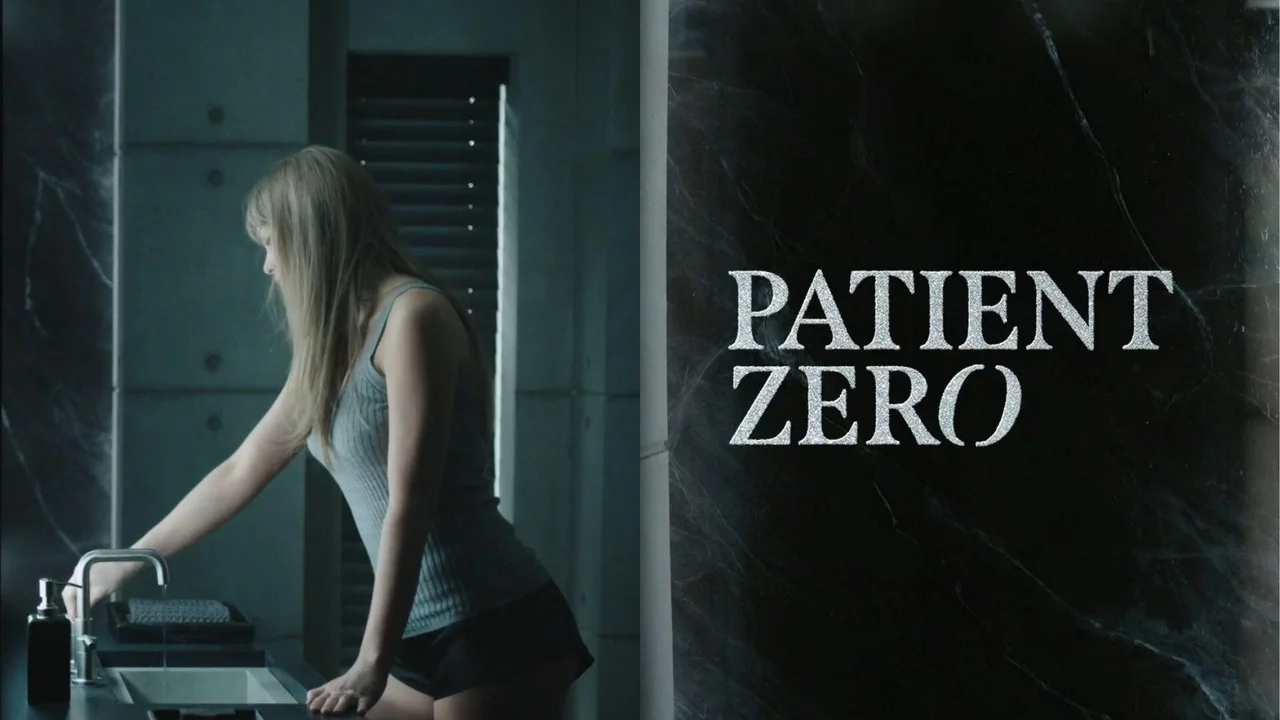
Taylor Swift Turns the Internet Into Her Latest Encore
Taylor Swift’s new Encore tracks have the internet decoding everything again — from Travis Kelce and Cleveland to the mysterious story behind “Patient Zero.”
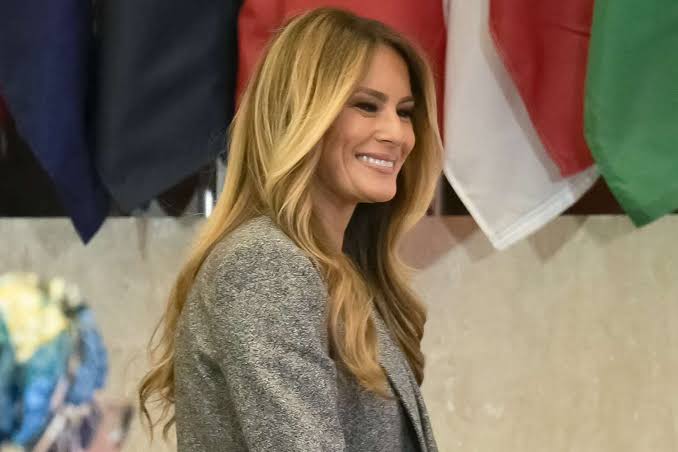
Melania Trump Expands Her Global Initiative With New Tech Partnerships for Children
Melania Trump is expanding her Fostering the Future Together initiative with new technology partnerships involving major companies including Google, Amazon, Adobe, Intel, Starlink and Zoom, putting AI, education and digital access at the center of a growing global effort for children.
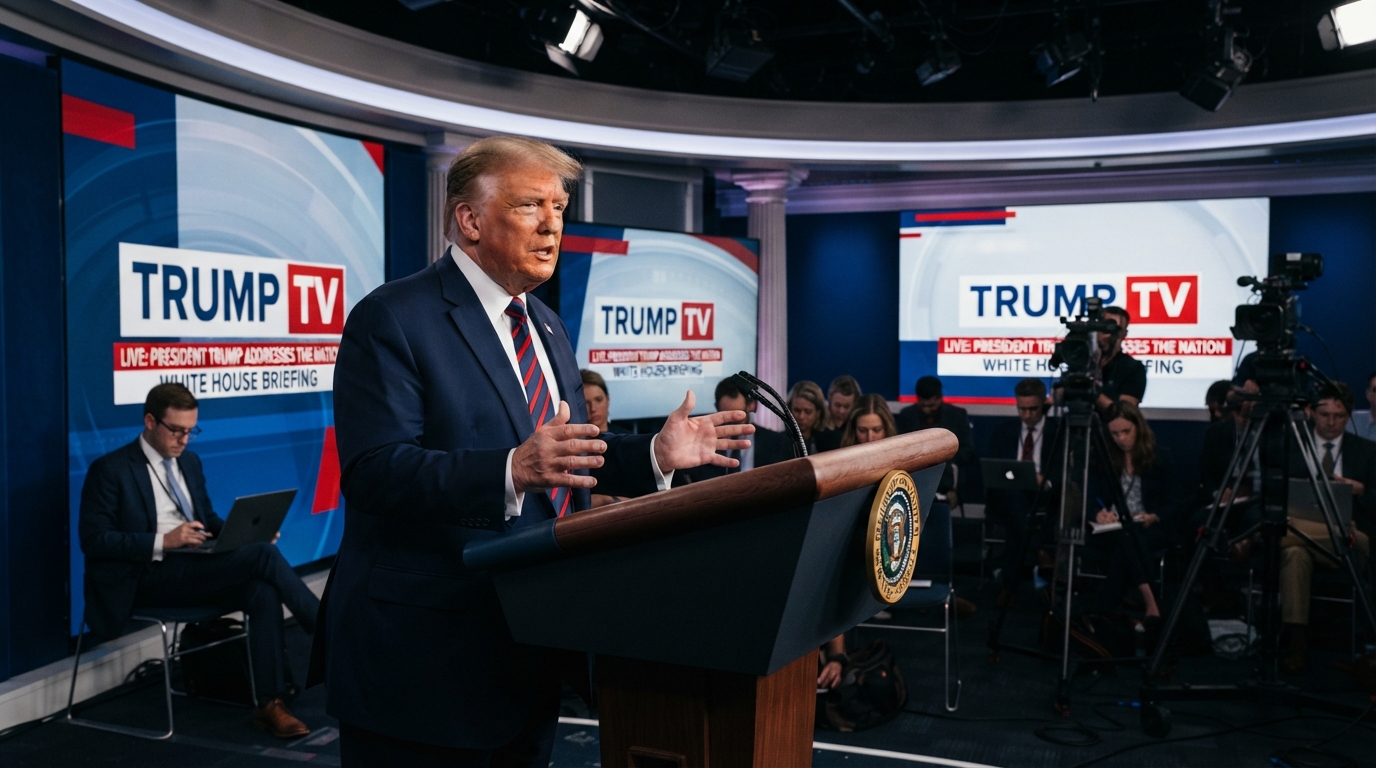
Trump TV, the Mamdani handshake and the strange new politics of going direct
Trump’s new direct-to-audience media push collides with an unexpected meeting with New York mayor Zohran Mamdani, creating one of the internet’s strangest political moments of the week.