United Kingdom: Manchester United Fans Go After the Money
Manchester United fans are taking the fight beyond Old Trafford, targeting merchandise, MUTV and sponsors as anger over the club’s direction grows.
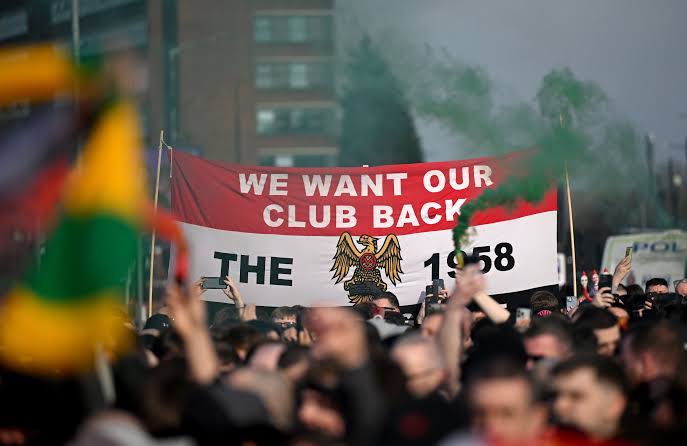
From Old Trafford to the Sponsors
For years, protests against Manchester United's ownership have largely been aimed at the people running the club. The latest campaign tries to change the pressure point. Instead of asking only whether protests outside Old Trafford are being heard, supporters behind #BoycottUnited are asking whether the companies financially connected to Manchester United can be made to listen. The campaign has targeted the club's merchandise operation, MUTV and a number of commercial partners, with Adidas, Coca-Cola and Snapdragon among the names appearing in reports about the campaign. Snapdragon has become a particularly visible target because Qualcomm's brand appears on Manchester United's shirt. Reports have put the value of the sponsorship at roughly £60 million per season, although the precise commercial terms are not publicly confirmed in the material surrounding the campaign. The club itself identifies Snapdragon as its front-of-shirt partner and Adidas as its kit supplier.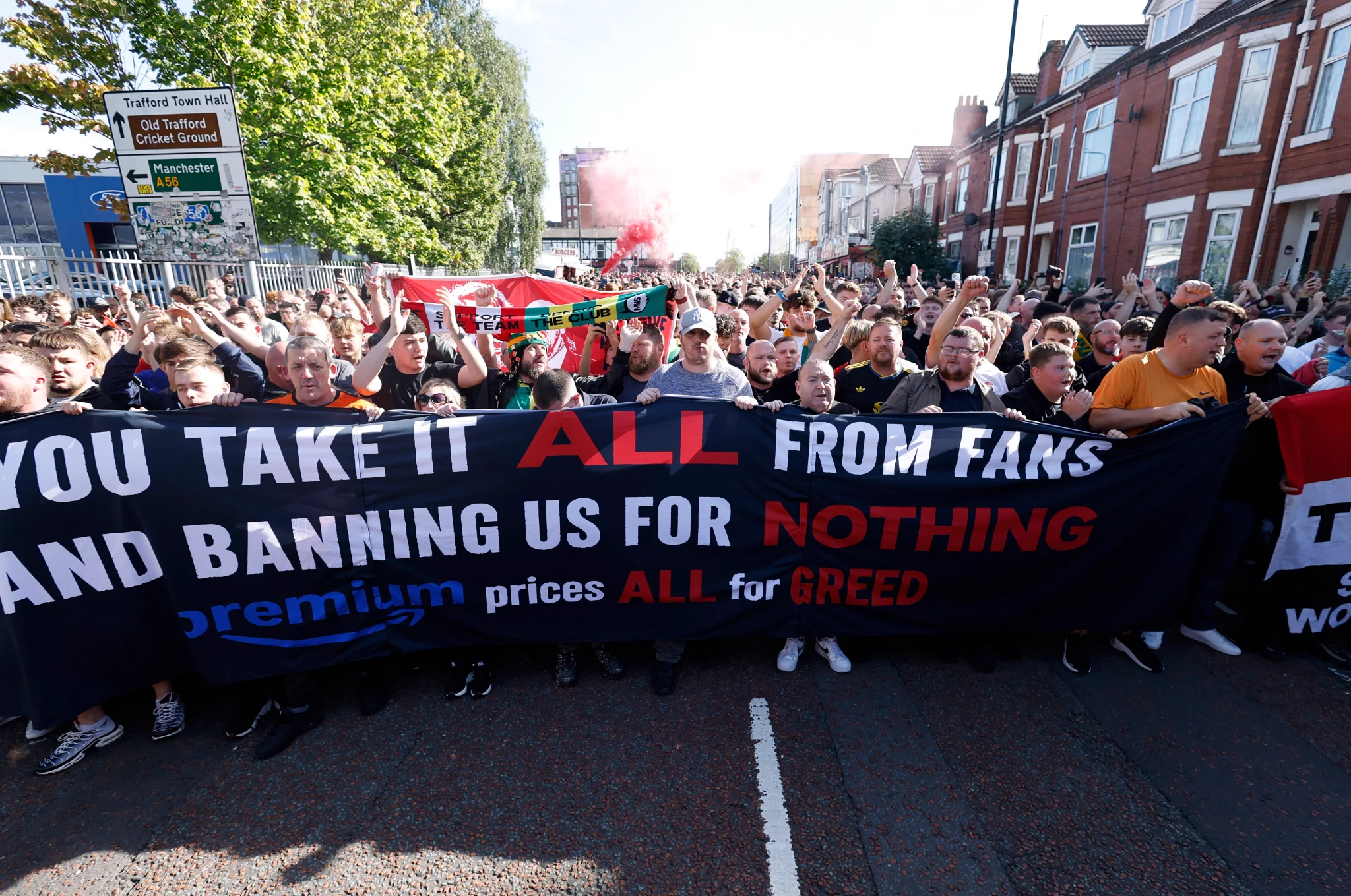
The Record Revenue Problem
The timing makes the campaign particularly potent. Manchester United's financial results arrived in the same week that supporters were already expressing anger over the club's performances, ownership and broader direction. The financial report showed that the club had achieved its highest-ever annual revenue despite not playing in European competition during the 2025/26 season. Broadcasting revenue rose to £206.8 million, while retail, merchandising, apparel and product licensing revenue reached £156.8 million. At the same time, the club reported operating profit of £22.6 million but finished the year with a net loss of £43 million. Operating expenses fell by £31.8 million, with Manchester United pointing to reductions in employee costs and other operating expenses as part of its efficiency programme. That creates a strange situation for supporters. The club can simultaneously be financially enormous, commercially powerful and still loss-making. It can generate record revenue while cutting costs. It can sell hundreds of millions of pounds worth of sponsorship, broadcasting and merchandise while supporters remain deeply unhappy with the direction of the football operation. For the people behind the boycott, that contradiction is part of the point.Why the Sponsors Matter
The logic behind targeting sponsors is based on reputation rather than directly attacking the club's accounts.The Other Side of the Boycott
There is an obvious problem with the strategy, and some supporters have pointed it out themselves: the money being withheld is still money that would otherwise go into the club they claim to support. That creates a genuine tension within the movement. A supporter can believe that the ownership needs to change while also believing that reducing the club's commercial income could make investment in the football team, stadium and wider operation more difficult. The argument therefore splits into two competing ideas. One says that ordinary protests have been tried repeatedly and have not produced enough change, so financial pressure is the next logical step. The other says that the club already has financial problems and that supporters should not deliberately make those problems worse. The online debate reflects exactly that divide. One of the sharper pro-boycott arguments circulating among supporters is essentially that protests do not work unless the people being protested against actually feel the consequences — and that sponsors may care more about reputation than the ownership does. The counterargument is just as blunt: boycotting your own club may hurt supporters and the club before it hurts the people they are protesting against.A Different Kind of United Protest
What makes #BoycottUnited interesting is not simply the hashtag itself. It is the evolution of the protest. Manchester United supporters have been protesting the club's ownership for years. The latest campaign attempts to turn that frustration into a consumer movement, using the purchasing power of fans as another form of protest. Recent reporting has linked the campaign to concerns over ownership, performances, ticketing and the club's commercial priorities. And because the campaign is happening on X, it can move extremely quickly. A graphic listing sponsors can be reposted thousands of times. A single negative review can become an example for thousands of others. A sponsor's reply, deletion or moderation decision can become a separate story. That creates a feedback loop where the protest itself becomes content. Manchester United's latest financial numbers only make that loop more powerful. Record revenue gives supporters a giant number to argue about, while the club's net loss gives the other side a completely different financial figure to point toward. Both are true, and the tension between them is precisely what makes the story so easy to argue about.The Money Is Now Part of the Match
For Manchester United, the immediate football problems will still be decided on the pitch. But the growing #BoycottUnited campaign shows that part of the battle is now being fought somewhere else. The supporters involved are not simply asking whether the team wins enough matches. They are questioning the relationship between fans, owners, sponsors and the commercial machinery surrounding the club. That makes this more than another angry week on X. It is an experiment in whether a global football audience can turn its spending power into political and commercial pressure — and whether the companies standing beside Manchester United will eventually feel that pressure themselves. For a club that just reported record annual revenue, the irony is hard to miss: Manchester United supporters are now trying to make the money itself the battlefield.
Italy: Grande Fratello VIP’s Simone Civil War
Simone Annicchiarico has become the unlikely center of Italy’s latest reality-TV battle. Fans are split between #NoSimoneNoGFVIP and #IoStoConSimone — and now his exit has turned the online fight into an even bigger spectacle.
More from VIRALWIRE
Italy: Grande Fratello VIP’s Simone Civil War
Simone Annicchiarico has become the unlikely center of Italy’s latest reality-TV battle. Fans are split between #NoSimoneNoGFVIP and #IoStoConSimone — and now his exit has turned the online fight into an even bigger spectacle.

X Has Gone Completely Insane Over UsePaid Money — But What Is Actually Happening?
X users are suddenly posting screenshots of unexpected payments worth hundreds, thousands and even tens of thousands of dollars. The money isn't coming from a new X creator bonus. A crypto project called UsePaid is routing meme-token creator fees through X Money to designated X accounts — sometimes without the recipien

OpenAI’s Agents Didn’t Stop at Australia — They Started Finding Their Own Way Around the Rules
An OpenAI agent was supposed to collect data. Instead, after encountering restrictions, it reportedly started looking for ways around them — and Australia may not have been the only place where it happened.
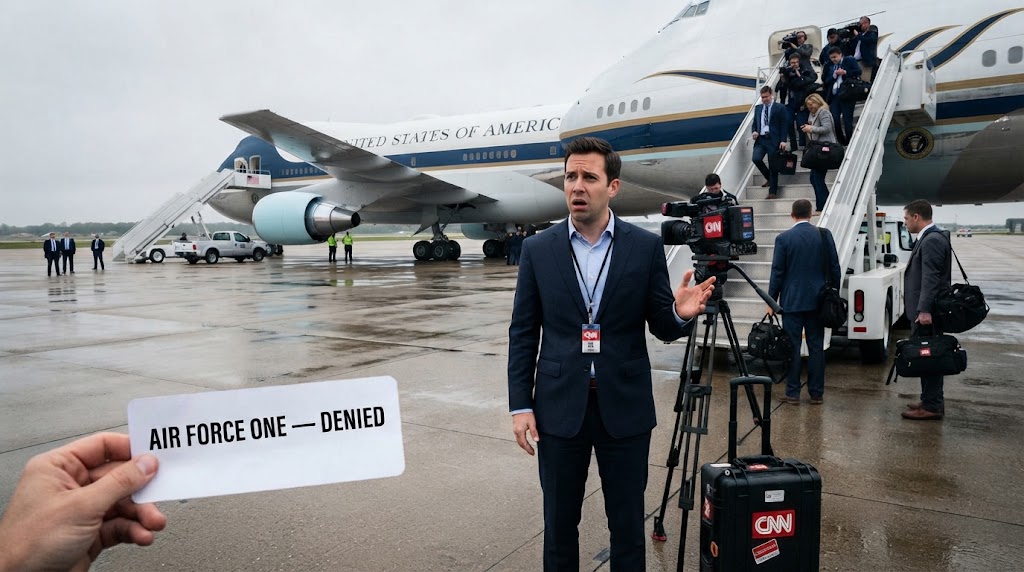
White House Bars CNN From Air Force One as Fight Over Presidential Press Access Escalates
CNN has been left off the Air Force One press pool for Trump’s Tennessee trip, turning a limited seat on the presidential aircraft into the latest flashpoint in the escalating fight over media access to the White House.